
A decade ago, most homeowners getting a new deck built had two real choices: pressure-treated pine or cedar, a handful of standard sizes, and a contractor who showed up with a circular saw and a nail gun. The conversation was simple. That simplicity is gone. The materials are more sophisticated, the permitting process has tightened, the pricing has shifted in ways that catch people off guard, and what a good contractor actually delivers looks meaningfully different from what it looked like even five years back. If you are planning a build in Hyde Park or anywhere else in Austin, TX, knowing what has changed will save you money, time, and some real frustration.
How Materials Have Shifted the Whole Conversation
Composite decking now dominates a large share of new builds, and the products available today are not the faded, chalky boards that gave composites a bad reputation in earlier years. Current composite lines from manufacturers like Trex, TimberTech, and Fiberon use capped polymer cores that resist moisture absorption, surface staining, and the kind of UV fading that used to make a five-year-old composite deck look fifteen years old. The trade-off is cost. A quality composite build runs roughly $45 to $75 per square foot installed, compared to $25 to $40 for pressure-treated wood. That gap is real, and any contractor who glosses over it is not doing you a favor.
What has also changed is the substructure conversation. More builders, including the team at Majestic Deck Builders Austinnow spec aluminum or steel framing beneath composite surfaces rather than wood. Steel framing costs more upfront but eliminates the rot and movement that eventually causes composite boards to squeak, gap, or cup. It is the kind of detail that does not show up in a photo but makes a significant difference over ten or fifteen years of use.
Cedar remains a strong option for clients who want a natural wood look and are willing to commit to regular deck staining and maintenance. The wood itself performs well in Central Texas heat, but the maintenance schedule is non-negotiable. Skip two or three years of sealing and you are looking at cracking, checking, and early replacement.
Permitting and Inspections Are Not What They Used to Be
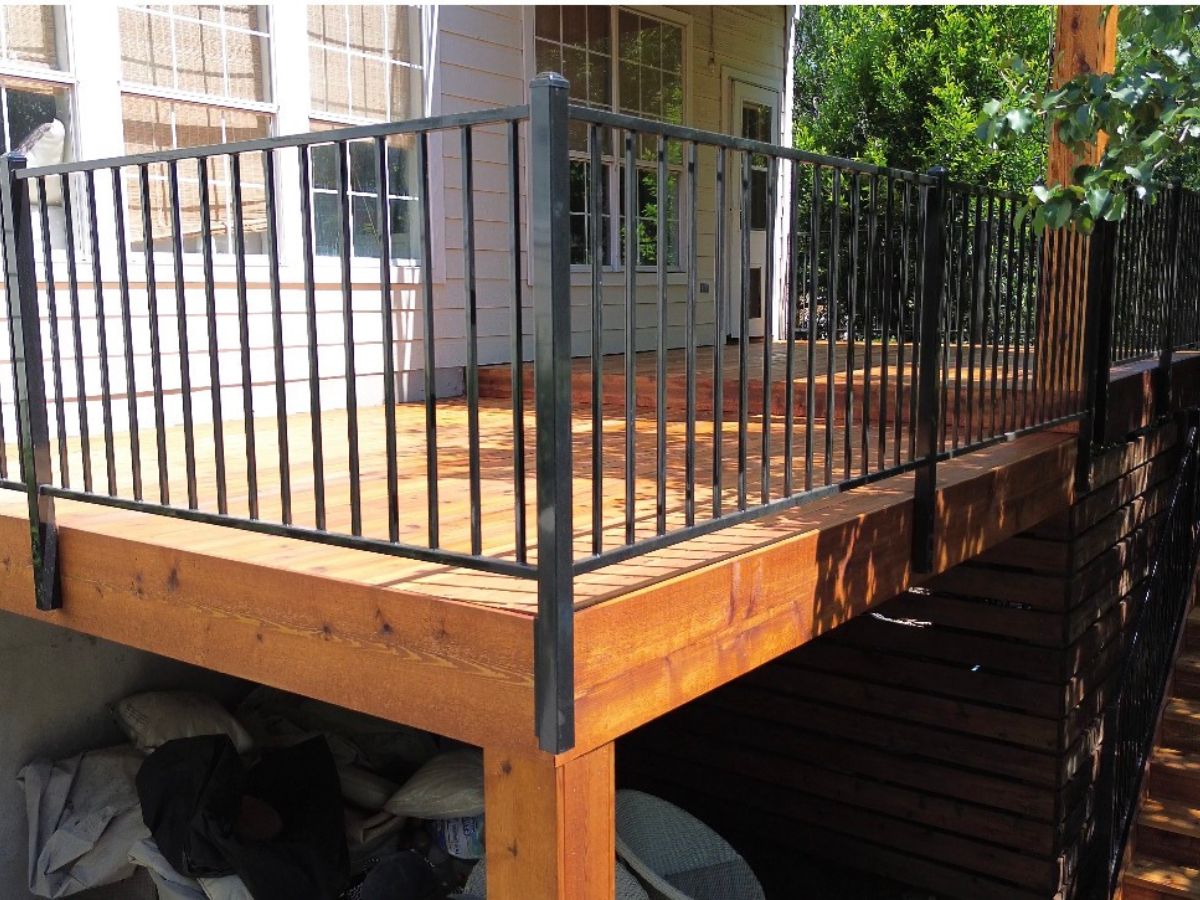
This is where homeowners are most often blindsided. Austin’s permitting requirements for residential decks have become more detailed and more strictly enforced. Any deck attached to a house, or any freestanding deck above a certain height, requires a permit. That permit requires stamped structural drawings in many cases, especially for elevated builds or anything with a roof or pergola attached. The review timeline through the city has stretched. Budget four to eight weeks for permit approval before a single board goes down, not the one or two weeks that used to be reasonable to expect.
Majestic Deck Builders Austin handles permit applications directly for clients in Hyde Park and the surrounding area, which matters more than it might sound. A contractor who hands that process back to the homeowner is adding work to your plate and often slowing the whole project down. Inspections now cover footing depth, beam sizing, ledger attachment, and railing load requirements with a level of scrutiny that reflects updated building codes. Getting those details right from the start is far less expensive than addressing a failed inspection mid-build.
What Good Project Management Actually Looks Like Now
The gap between a well-run deck build and a poorly run one has widened. Material lead times, which were extreme during supply chain disruptions a few years back, have normalized somewhat, but specialty composite colors and steel framing components can still run three to five weeks out. A contractor who does not account for that in the schedule will leave you with a half-finished project sitting exposed to weather. Ask any contractor you are considering how they handle material ordering relative to the project start date. The answer tells you a lot about how they operate.
Digital tools have also changed client communication. Design software that renders a three-dimensional model of a proposed deck, placed on an actual photo of your yard, is now standard among serious builders. Clients who have seen that kind of visualization make better decisions about size, railing style, and stair placement before anything is built. It reduces expensive change orders and the kind of mid-project regret that comes from approving a design on paper that did not translate the way you expected.
For homeowners in Austin, TX considering a larger or more complex build, it is worth looking at the custom deck design process in detail before committing to a contractor. The design phase is where most of the real decisions get made, and rushing it to get to construction faster is one of the most common mistakes clients make.
Majestic Deck Builders Austin works with homeowners across Hyde Park and the broader Austin area and is a reliable local resource for anyone trying to understand what a well-built deck costs, how long it takes, and what questions to ask before signing anything. Austin, TX, (512) 900-5728.
Frequently Asked Questions
What should I know about the costs of different materials for my deck?
A quality composite build typically runs between $45 to $75 per square foot installed, while pressure-treated wood costs about $25 to $40 per square foot. Understanding these price differences is crucial when planning your budget, as they can significantly impact the overall cost of your project.
How long does it take to get a permit for my deck project?
Permit approval in Austin can take four to eight weeks, which is longer than the one to two weeks that was common in the past. It’s essential to factor this timeline into your project schedule to avoid delays.
What are some common mistakes to avoid when planning my deck?
One common mistake is rushing through the design phase to start construction faster. Taking the time to visualize your deck with 3D models can help you make better decisions and reduce costly changes later on.
What should I expect regarding inspections during the build?
Inspections will cover critical aspects like footing depth, beam sizing, and railing load requirements, with a high level of scrutiny due to updated building codes. Ensuring these details are correct from the beginning is much less expensive than addressing issues after a failed inspection.
Get Directions to Majestic Deck Builders Austin
🎧 Listen to this as a podcast
Also on Apple Podcasts, Spotify, and Amazon Music.