
Deck Maintenance That Adds Decades of Life
Majestic maintains decks across Austin and Hays County. Cleaning, inspection, staining, and repair on a regular cadence that keeps a deck sound for decades instead of failing early. Plans available for wood and composite. Fully insured, 1,000+ projects since 2016.
The difference between a deck that lasts 30 years and one that fails in 12 isn’t usually the material or the builder. It’s maintenance. A deck takes a constant beating from Texas sun, humidity, and seasonal moisture cycling, and the components that fail first are the ones nobody looks at until something goes wrong. We maintain decks across Austin and Hays County on a cadence that catches small problems before they become structural ones. Our maintenance team maintains decks we built and those built by others.
Deck maintenance isn’t one task. It’s a set of them, scheduled at the right intervals: cleaning to remove the mildew and debris that hold moisture against the wood, inspection to catch structural problems early, refinishing to protect and restore the surface, and repair to fix what wears out. Done together on a plan, these keep a deck both safe and good-looking. Done never, they’re why decks fail a decade before they should. Schedule a maintenance assessment, and we’ll build a plan around your deck’s age, material, and exposure.
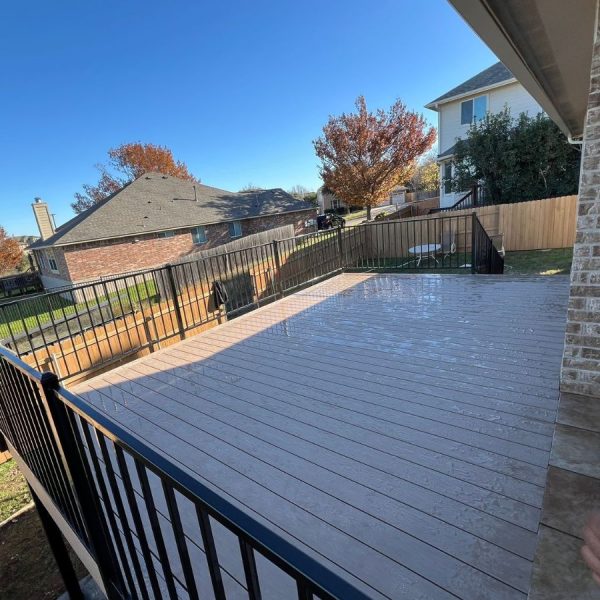
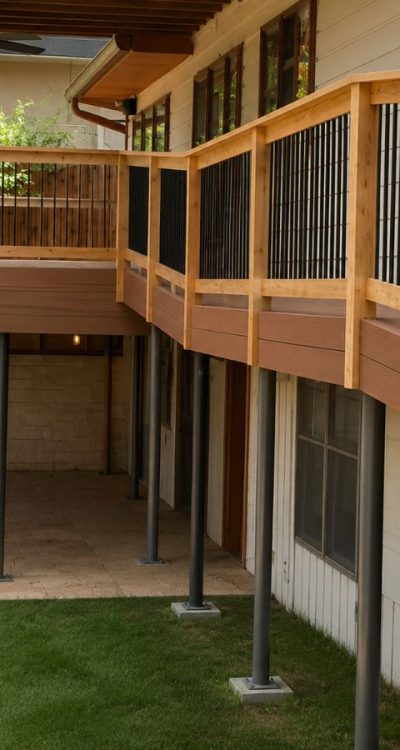
What Deck Maintenance Includes
Cleaning is the foundation of deck maintenance, and it’s the step homeowners most often skip. Mildew, algae, pollen, and organic debris build up in the grain and in the gaps between boards, holding moisture against the wood and accelerating rot. On composite, the same buildup causes the surface staining people mistake for permanent damage. We clean with the right method for the material, because pressure-washing that’s fine for one deck will gouge and fuzz another. Regular cleaning extends the life of every other maintenance step.
Inspection is how maintenance stays ahead of failure. A periodic structural inspection checks the ledger connection, footings, framing, and railings on a schedule, so the hidden structural problems get caught while they’re still small and cheap to fix. A deck on a regular inspection cadence rarely develops the kind of catastrophic failure that catches homeowners off guard, because nothing stays hidden long enough to become catastrophic.
Refinishing keeps wood decks protected and looking right. For cedar and other woods, periodic staining and refinishing restores the color that ultraviolet exposure bleaches out and reseals the surface against moisture. Cedar in the Austin climate needs refinishing every 2 to 4 years, and staying on that cadence is what keeps a wood deck from graying, cupping, and degrading to the point of needing board replacement. Composite doesn’t get refinished, but it does need cleaning as part of maintenance.
Repair is the maintenance step that fixes what wears out despite the rest. Even a well-maintained deck eventually needs a board replaced, a railing tightened, or a stair tread swapped. Catching these during regular deck repair work prevents small failures from spreading, since a single rotted board left in place can spread moisture to its neighbors. Maintenance-driven repair is far cheaper than reactive repair because problems are smaller when they’re caught on schedule.
When maintenance has been neglected for too long, the honest answer is sometimes replacement rather than continued upkeep. A deck that’s gone 20 years without care, with a failing ledger and widespread rot, has usually passed the point where maintenance makes economic sense. In those cases, we’ll lay out why a full replacement costs less over its service life than pouring money into a structure that’s already failing. Maintenance works best as prevention, not as rescue.
Maintenance requirements differ by material, and we build the plan accordingly. A cedar surface needs the full cycle: cleaning, inspection, and refinishing every few years, plus repair as wood components wear. A low-maintenance composite deck needs cleaning and inspection but no refinishing, since the surface is factory-sealed. We won’t sell you refinishing on a composite deck that doesn’t need it, and we won’t let a cedar deck’s finish lapse to the point of structural damage.
Exposure shapes the plan as much as material. South-facing and west-facing decks take the heaviest ultraviolet and heat loads, so their finishes degrade faster and they need refinishing sooner. Shaded north and east decks hold their finish longer but trap more moisture and grow more mildew, so they need more attention on the cleaning side. We tailor the cadence to how your specific deck sits, not to a generic calendar.
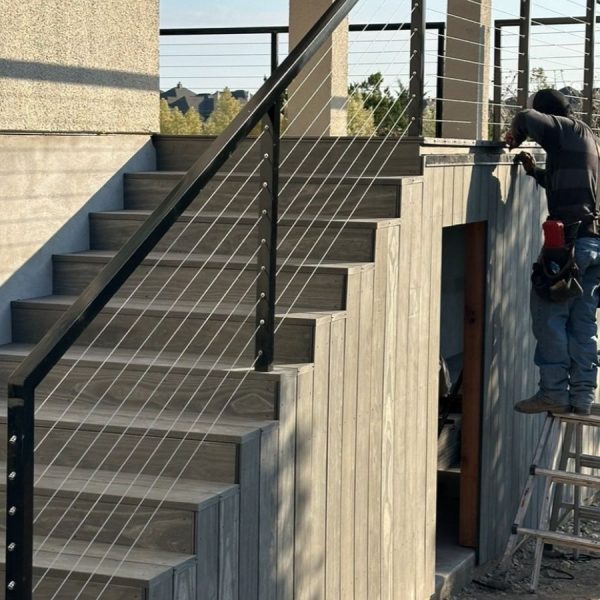
Deck Maintenance Across the Austin Metro
We maintain decks across the full Austin metro and Hays County, including South Austin and Buda, where the mix of aging cedar decks and newer composite installations means maintenance demand runs year-round.
Homeowners in Driftwood and the Hill Country acreage markets often have large wood decks whose appearance depends on staying on a refinishing cadence, so maintenance plans there lean heavily on the cleaning and staining cycle.
A maintenance plan puts the whole cycle on a schedule so nothing slips. We assess the deck, set the cadence for cleaning, inspection, and refinishing based on the material and exposure, and handle repairs as they arise. The alternative is the reactive pattern most decks fall into, where nothing happens until something breaks, and by then, the cheap fix has become an expensive one. Maintenance scheduling in the core service area is straightforward, and we’ll work the cadence around the seasons, so each task happens when conditions are right.
Frequently Asked Questions
What does deck maintenance actually include?
Four things on a schedule: cleaning to remove mildew and debris that hold moisture against the wood, inspection to catch structural problems early, refinishing to protect and restore wood surfaces, and repair to fix what wears out. Done together on a plan, these keep a deck safe and good-looking for decades. The right cadence depends on your deck’s age, material, and exposure, as determined by the maintenance assessment.
How often does a wood deck need maintenance in Austin?
Cleaning is best done at least annually, and more often on shaded decks that tend to grow mildew. Cedar and other woods need refinishing every 2 to 4 years in the Austin climate, sooner on south and west exposures that take the brunt of ultraviolet light. Inspection should occur on a similar 2 to 4-year cadence, or annually for older decks. We set the specific schedule based on your deck’s material, age, and condition.
Does a composite deck need maintenance, too?
Yes, but less than wood. Composite needs cleaning and periodic inspection, but no refinishing, since the surface is factory-sealed. The buildup of mildew, algae, and debris that people mistake for permanent staining is actually a cleaning issue. The wood frame beneath a composite deck still ages and requires inspection, so composite deck maintenance focuses on cleaning the surface and checking the structure below.
Can you put my deck on a maintenance plan?
Yes. A maintenance plan puts the whole cycle on a schedule so nothing slips. We assess the deck, set the cadence for cleaning, inspection, and refinishing based on the material and exposure, and handle repairs as they arise. It replaces the reactive pattern most decks fall into, where nothing happens until something breaks, and the cheap fix becomes an expensive one.
Is maintenance worth it on an old, neglected deck?
Not always. A deck that’s gone 20 years without care, with a failing ledger and widespread rot, has usually passed the point where maintenance makes economic sense. In those cases, we’ll explain why replacement costs less over its service life than pouring money into a failing structure. Maintenance works best as prevention on a sound deck, not as rescue on one that’s already failing.
Why does deck exposure affect the maintenance schedule?
South-facing and west-facing decks take the heaviest ultraviolet and heat loads, so their finishes degrade faster and they need refinishing sooner. Shaded north and east decks hold their finish longer but trap more moisture and develop more mildew, so they need more cleaning. We tailor the cadence to how your specific deck sits, rather than applying a generic calendar, because the same deck may require different care on different sides.