
Deck Inspection for Safety and Real-Estate Sales
Majestic inspects decks across Austin and Hays County. We check the ledger connection, framing, posts, footings, railings, and code compliance, then deliver a written report. Useful before a sale, after a purchase, or on aging decks. Fully insured, 1,000+ projects since 2016.
A deck looks fine right up until the moment it doesn’t. The failures that matter most happen out of sight, at the ledger connection, in the footings, and inside the framing, so a deck can look solid while it’s quietly losing its structural integrity. We inspect decks across Austin and Hays County and deliver a written report on exactly what we find, whether the deck is sound, needs attention, or has problems that make it unsafe to use. The crew at Majestic brings the same structural knowledge to inspections that we bring to building.
Deck inspections come up in a few situations. Homeowners with aging decks want to know whether the structure is still safe before another season of use. Buyers want a deck checked before closing on a house, because a failing deck is an expensive surprise to inherit. Sellers want documentation that the deck is sound, or a clear scope of what needs fixing, before listing. Schedule an inspection, and we’ll tell you which of those situations fits and what the inspection covers.
What a Deck Inspection Covers
The ledger connection is the first thing we check every time. It’s the board that bolts the deck to the house, and it’s responsible for more deck collapses than any other component. We look at how the ledger is fastened, whether it’s properly flashed against water intrusion, and whether the house rim joist behind it shows signs of rot. A compromised ledger is the single most dangerous finding in any deck inspection, and it’s the same connection detail our build process gets right on new decks.
Footing and post inspection come next. We check whether the posts sit on proper footings or just on grade, whether they’ve settled or heaved, and whether the post bases show rot from ground contact. Undersized or improperly placed footings are common on older Austin decks and on builder-grade decks that cut corners. The framing inspection covers joists, beams, and their connections, looking for rot, splitting, undersized members, and missing or corroded hardware.
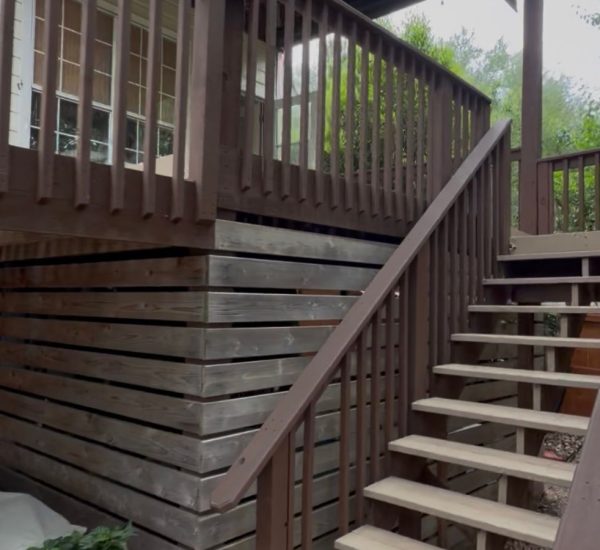
Railing and stair inspection addresses the safety components people touch every day. We measure railing height against the current 36-inch residential standard, check baluster spacing against the 4-inch maximum gap, test posts for movement, and inspect stair stringers for rot and proper attachment. Railings and stairs are where most non-structural injuries happen, so they get close attention even when the main structure is sound. Past inspection and repair work shows the range of findings we document.
Code compliance is part of every inspection. Decks built years ago were often compliant at the time, but now fall short of current code requirements, which matters most during a real estate transaction. We document where the deck meets current requirements and where it doesn’t, so you know what an inspector or buyer’s agent is likely to flag. If the deck needs work to comply, the report clearly scopes it. From there, a targeted repair handles most compliance gaps without a full rebuild.
The written report is what separates a real inspection from a walkaround. You get a documented list of findings, organized by severity, with the urgent safety items separated from the maintenance and cosmetic items. The report tells you what needs immediate attention, what can wait a season, and what’s purely optional. If the findings point toward replacement rather than repair, we explain why, and a deck-replacement quote can follow during the same visit.
Inspection pairs naturally with ongoing care. A deck on a regular maintenance cadence rarely develops the kind of hidden structural failure that catches homeowners off guard, because problems get caught while they’re small. We can set up periodic inspections as part of a maintenance plan, especially for older wood decks, where the structure changes faster than the surface appearance suggests.
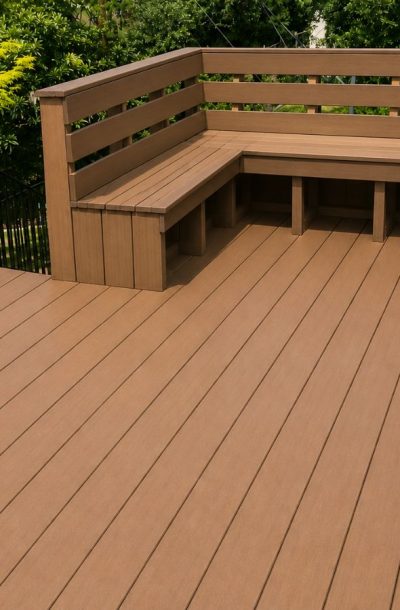
We inspect both wood and composite decks. The material on top doesn’t change the structural questions underneath, since composite decks sit on the same kind of wood frame as any other deck. A composite installation with a perfect surface can still have a compromised ledger or rotted framing. Hence, the inspection focuses on the structure regardless of what the walking surface is made of.
Deck Inspection Across the Austin Metro
We inspect decks throughout the Austin metro and Hays County, including South Austin and Buda, where aging decks and active real estate markets both drive inspection demand.
Homeowners in Kyle and newer Hays County subdivisions sometimes assume a newer deck doesn’t need inspection. Still, builder-grade decks on tract homes are exactly the ones where we find underspec’d footings and ledger-flashing problems.
Inspection scheduling in the core service area takes 5 to 10 days, faster when a real estate closing is on a deadline. The inspection itself takes 45 to 75 minutes, depending on deck size and complexity. The written report will follow within 2 business days. We don’t charge for an inspection that turns into a repair or replacement project with us because, at that point, the assessment is part of the work.
Frequently Asked Questions
What does a deck inspection actually check?
We check the ledger connection first, since it causes more collapses than any other component, then footings, posts, framing, joists, and beams for rot, settling, and undersized or corroded hardware. Railing height, baluster spacing, and stair stringers get measured against the current code. The inspection covers the full structure, not just the visible surface, because the failures that matter most happen out of sight.
Do I need a deck inspection before selling my house?
It helps. A documented inspection gives you either proof that the deck is sound or a clear scope of what to fix before listing, which prevents a buyer’s inspector from flagging surprises that derail a closing. Decks built years ago were often compliant when constructed, but fall short of current code, and that gap surfaces during transactions. Knowing about it ahead of time keeps you in control of the negotiation.
Why is the ledger connection so important in an inspection?
The ledger board bolts the deck to the house and is responsible for more deck collapses than any other component. We check how it’s fastened, whether it’s properly flashed to prevent water intrusion, and whether the house rim joist behind it shows signs of rot. A compromised ledger is the single most dangerous finding in any inspection, and it’s also one of the most common serious problems we document on older decks.
Can you inspect a composite deck, or only wood?
We inspect both. The material on top doesn’t change the structural questions underneath, since composite decks sit on the same kind of wood frame as any other deck. A composite deck with a flawless surface can still have a compromised ledger or rotted framing. The inspection focuses on the structure regardless of what the walking surface is made of, so composite decks receive the same scrutiny as wood decks.
What do I get at the end of a deck inspection?
A written report organized by severity, with the urgent safety items separated from maintenance items and cosmetic ones. It tells you what needs immediate attention, what can wait a season, and what’s purely optional. If the findings point toward repair, the report scopes it. If they point toward replacement, we explain why. The report follows the inspection within 2 business days.
How much does a deck inspection cost in Austin?
We provide inspection pricing at the time of scheduling based on deck size and access. The inspection takes 45 to 75 minutes, and the written report follows within 2 business days. If the inspection turns into a repair or replacement project with us, we don’t charge separately for it, because at that point the assessment is part of the work. Call for a quote on a standalone inspection.