
There’s a moment every Austin homeowner eventually reaches, you’re sitting in your backyard on a warm evening, looking at that patch of unused space, and you start thinking seriously about adding a deck. If you’re at that point and starting to research deck installation in Austin, TX, the good news is that you’re asking the right questions early. The not-so-good news? There’s a lot of misinformation floating around about what the process actually involves, how long it takes, and what it truly costs. Let’s cut through the noise.
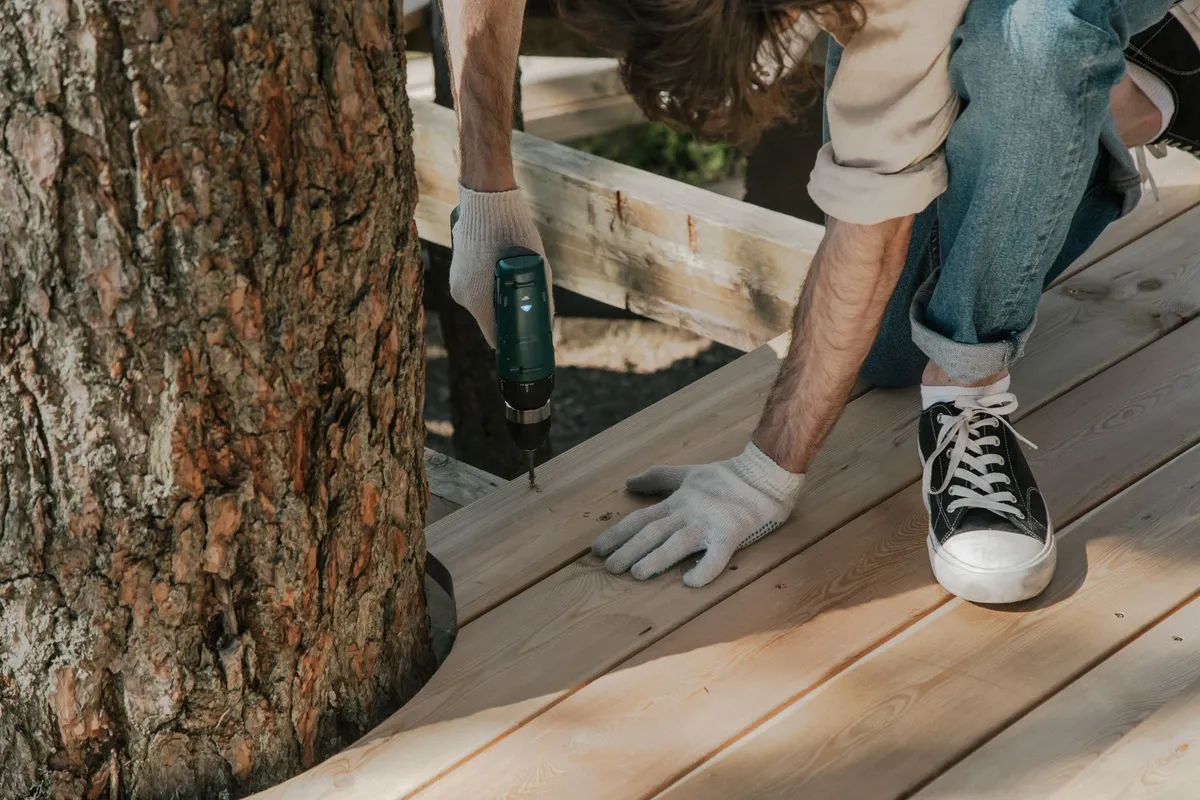
Your Backyard Isn’t Like Anyone Else’s, And That Changes Everything
Austin’s landscape is genuinely unlike most other Texas cities. You’ve got limestone bedrock in some neighborhoods, expansive clay soil in others, and elevation changes that can make a seemingly simple project significantly more complex. What works for a flat suburban lot in Round Rock may be a completely different animal than a sloped property in Travis Heights or a hillside home in West Austin.
This matters because the foundation and framing of your deck have to account for what’s underneath it. Contractors who don’t know Austin’s soil and terrain variations tend to underbid jobs early and surprise homeowners with change orders later. Before you sign anything, make sure whoever you’re hiring has real, local experience with properties that look like yours, not just a portfolio of flat, easy builds.
If your yard has a significant slope or you’re envisioning something with multiple tiers, it’s worth looking into multi-level deck options early in the planning process. The design decisions you make upfront will affect your budget, your permit requirements, and how long the build actually takes.
Permits Are Not Optional, And the Timeline Is Real
One of the most common frustrations homeowners run into is underestimating how much time the permitting process adds to a project. In Austin, decks above a certain height or square footage require a building permit, and that’s not a formality you can skip. The city takes structural safety seriously, and for good reason, a deck that fails isn’t just a financial loss, it’s a safety risk.
A reputable contractor will pull permits on your behalf and factor that timeline into the project schedule from day one. If someone quotes you a suspiciously fast start date without mentioning permits, that’s a flag worth paying attention to. Permit approval in Austin can take anywhere from a few days to several weeks depending on the scope of the project and current city workload.
The other piece homeowners often overlook is HOA approval. If your neighborhood has a homeowners association, you may need their sign-off before breaking ground, and their timeline operates completely independently from the city’s. Get both processes started as early as possible.
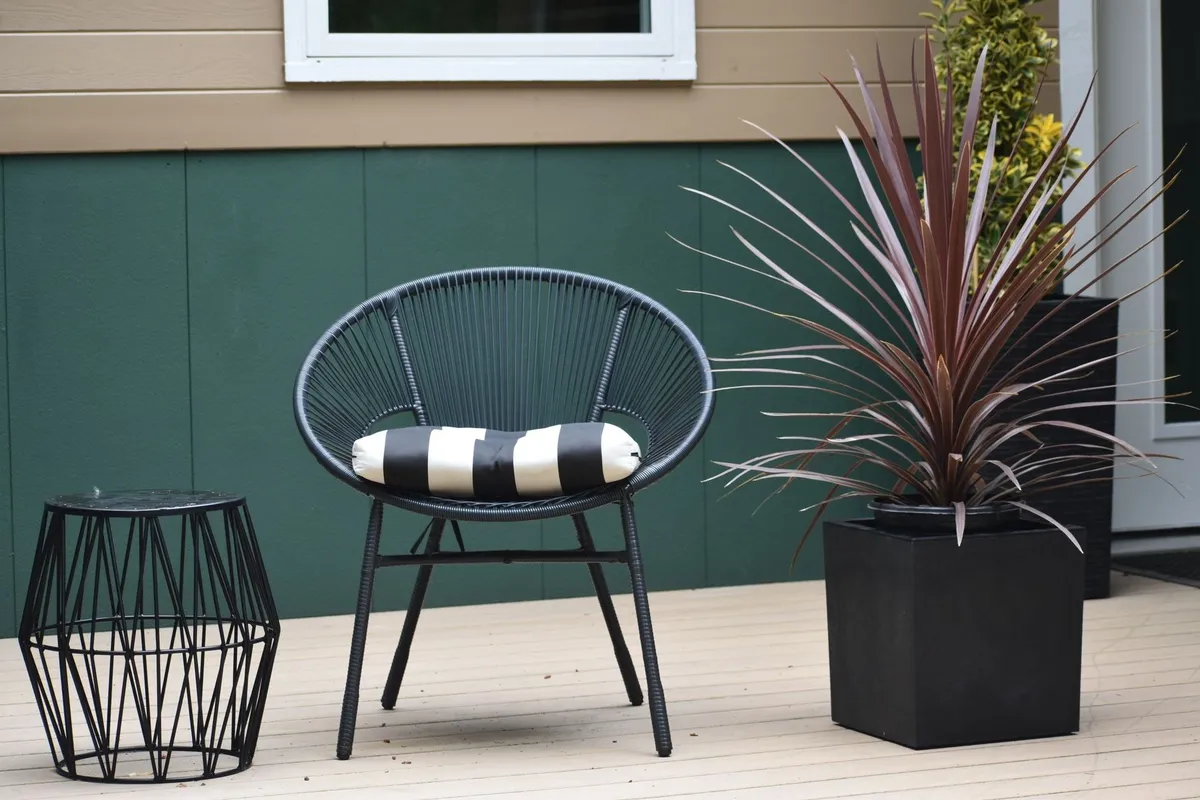
Material Choice Is a Long-Term Decision, Not Just an Aesthetic One
Austin’s climate is brutal on outdoor materials. You’re dealing with intense UV exposure, summer heat that routinely tops 100 degrees, occasional ice storms, and humidity that swings dramatically season to season. The material you choose for your deck needs to hold up to all of that, not just look good on day one.
Natural wood like cedar has real appeal. It’s beautiful, it’s workable, and when properly maintained it can last for decades. But it does require ongoing attention, staining, sealing, and periodic inspection to catch issues before they become expensive repairs. If you want the look of wood without the maintenance commitment, composite decking has come a long way in recent years. Modern composite products are significantly more durable and realistic-looking than what was available even a decade ago, and they handle Austin’s heat and UV exposure well.
The honest answer is that neither material is universally better, it depends on your budget, how much maintenance you’re willing to do, and how you plan to use the space. A contractor worth working with will walk you through both options honestly rather than pushing you toward whatever’s easier or more profitable for them. Homeowners who’ve worked with experienced local builders often mention that this kind of straightforward guidance made a real difference in how confident they felt about their final choices.
The Cheapest Bid Is Usually the Most Expensive Mistake
This one stings to hear, but it’s true. Deck construction is skilled work. It involves structural engineering, proper fastening systems, code-compliant railings, and materials that need to be installed correctly to perform over time. When a bid comes in dramatically lower than the others, something is being left out, whether that’s quality materials, experienced labor, proper permits, or all three.
The aftermath of a poorly built deck is never cheap. Rotting joists, unstable railings, boards that warp and split after one summer, these aren’t minor annoyances. They’re safety issues and costly fixes. Before you commit to a contractor, ask to see examples of completed projects, check that they’re licensed and insured in Texas, and make sure the contract spells out exactly what’s included.
If you’re not sure where to start with budgeting, getting a professional deck estimate from a local contractor gives you a realistic baseline before you start comparing bids. It also helps you ask smarter questions when other quotes come in.
Building a deck is one of the better investments you can make in an Austin home, outdoor living is practically a way of life here. Getting it done right the first time means you’ll actually enjoy it for years instead of dealing with repairs and regrets. Take the time to plan carefully, hire someone who knows this city, and don’t let price alone drive the decision.
Frequently Asked Questions
How long does the permitting process actually take in Austin before construction can start?
Permit approval in Austin can take anywhere from a few days to several weeks, depending on the scope of your project and how backed up the city is at the time you apply. On top of that, if your neighborhood has an HOA, their approval process runs on a completely separate timeline from the city’s, so you could be waiting on both simultaneously. A contractor who knows what they’re doing will account for all of this in your project schedule from the very beginning, not after you’ve already signed.
Does the type of soil or slope in my Austin backyard really affect the cost and complexity of the build?
Yes, significantly, Austin has limestone bedrock in some areas and expansive clay soil in others, and either one can change how your deck’s foundation and framing need to be built. A sloped property in a neighborhood like Travis Heights or West Austin is a fundamentally different project than a flat suburban lot, and contractors who don’t know local terrain tend to underbid early and hit you with change orders later. Before hiring anyone, make sure they have real experience with properties that actually look like yours.
Is composite decking actually worth the extra upfront cost compared to cedar in Austin’s climate?
It depends on how much ongoing maintenance you’re willing to do. Cedar looks great and can last for decades, but it needs regular staining, sealing, and inspection to hold up against Austin’s intense UV exposure, 100-degree summers, and seasonal humidity swings. Modern composite products handle that heat and UV exposure well and don’t require the same upkeep, so if you’d rather not think about it year after year, the higher upfront cost often makes sense.
What’s actually missing when a bid comes in way lower than the others?
Usually it’s one or more of these: quality materials, experienced labor, or proper permits, and sometimes all three. Deck construction involves structural work, code-compliant railings, and fastening systems that have to be done correctly to hold up over time, and cutting corners on any of it creates real safety issues down the road. Warped boards and unstable railings after one Austin summer aren’t minor annoyances, they’re expensive to fix and potentially dangerous.
Should I get a professional estimate before I start collecting bids from contractors?
It’s a smart move, because it gives you a realistic baseline before other quotes start coming in. Without that reference point, it’s hard to know whether a low bid is a good deal or a warning sign, and you end up making decisions without enough information. It also helps you ask sharper questions, like exactly what’s included in the price and whether permits are factored into the timeline.
Get Directions to Majestic Deck Builders Austin
🎧 Listen to this as a podcast
Also on Apple Podcasts, Spotify, and Amazon Music.