
Every Austin homeowner eventually faces the same uncomfortable moment, you step onto your deck, feel something give slightly underfoot, and suddenly you’re wondering how bad things really are. Whether it’s a board that’s started to cup, a railing that wobbles more than it should, or discoloration that’s gone from “weathered charm” to “genuinely concerning,” deck repair in Austin is one of those home projects people tend to put off until they really shouldn’t. The good news is that most decks, when caught early enough, can be brought back to solid, safe condition without a full replacement. The trick is knowing what you’re actually looking at.
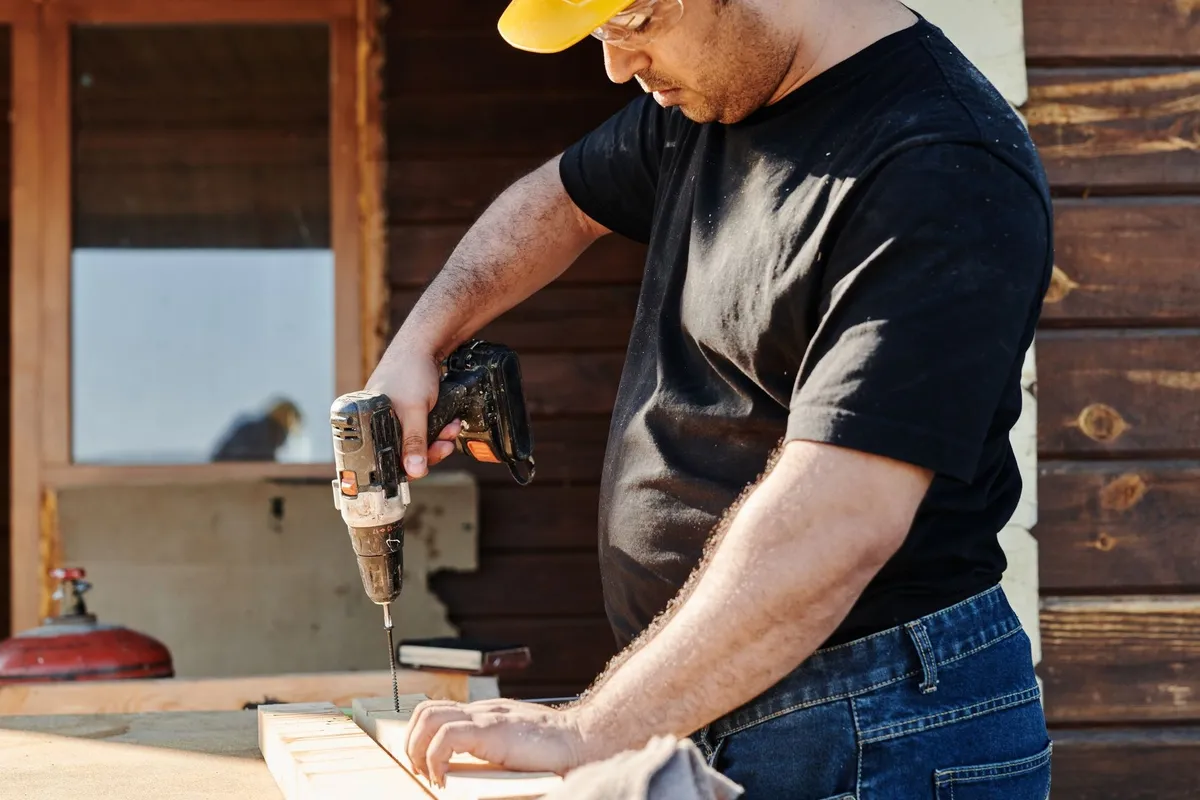
When Your Deck Is Talking, You Should Be Listening
Decks don’t fall apart overnight. They send signals for months, sometimes years, before things get serious. The problem is that most homeowners don’t know which signals matter and which ones are just cosmetic.
Surface-level cracking in wood boards, for example, is often just a weathering issue. Austin’s heat is brutal on wood, and the UV exposure alone can cause surface checks that look alarming but don’t compromise structural integrity. A good cleaning and deck staining can handle that kind of wear without touching the framing underneath.
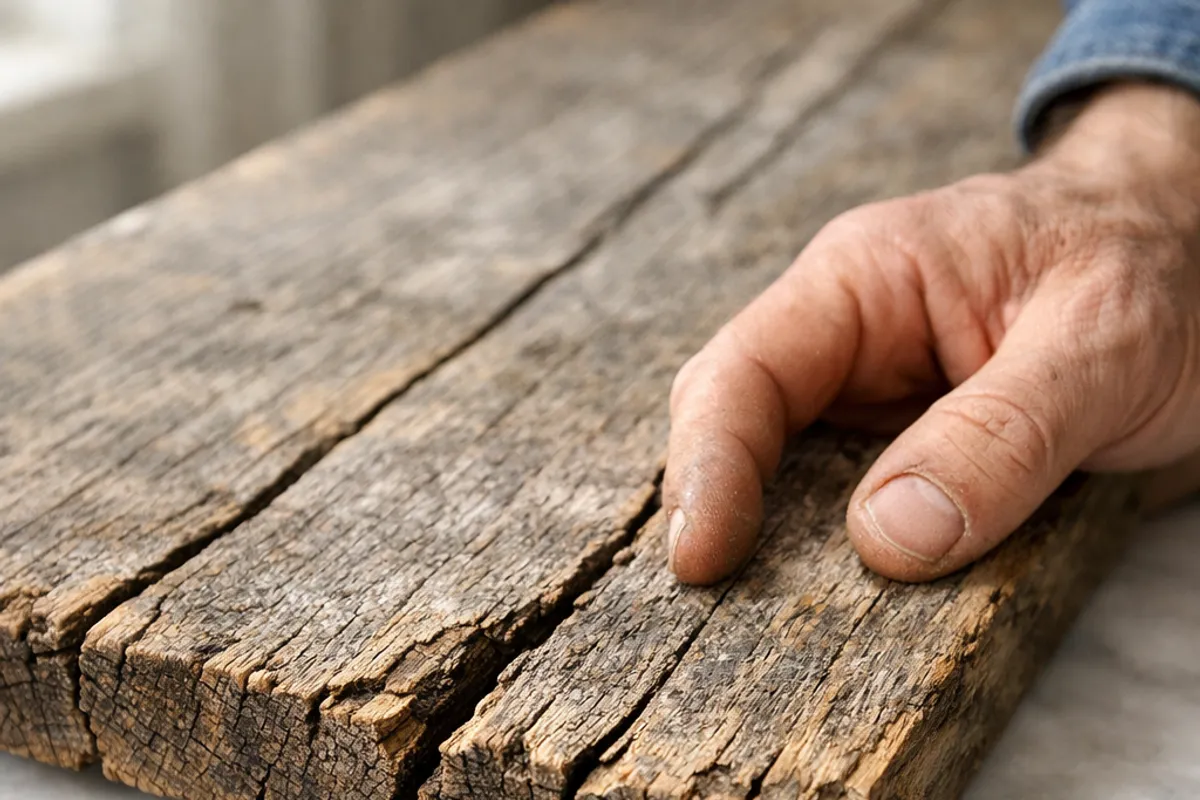
What you actually need to pay attention to is softness. If you press your thumb into a board and it gives, that’s rot, and rot spreads. Check the areas most exposed to moisture: around planters, near the house where water tends to pool, and at the base of posts where they meet concrete footings. Those are the spots that deteriorate fastest in Central Texas, especially after a wet spring followed by a scorching summer.
Wobbly railings are another sign that shouldn’t be ignored. A railing that moves when you lean on it isn’t just annoying, it’s a liability, especially if you have kids or older family members using the deck regularly.
The Austin Climate Does Things to Decks That Other Places Don’t
Here’s something worth understanding about owning a deck in this part of Texas: the weather doesn’t just age your deck, it cycles it. You get months of intense heat that dries and contracts wood, followed by sudden heavy rain events that soak it through. That constant expansion and contraction is hard on fasteners, joists, and ledger boards in ways that wouldn’t happen in, say, the Pacific Northwest where moisture is more consistent.
Cedar, which is popular locally for good reason, handles this cycle better than most woods. But even cedar eventually shows the strain. Composite materials hold up better against the temperature swings, but they have their own failure points, particularly around the substructure, which is almost always wood regardless of what’s on top.
Homeowners in neighborhoods like South Congress, Travis Heights, and Barton Hills tend to see faster weathering on decks that face west, simply because of afternoon sun exposure. If your deck catches that late-day Texas sun, it needs more frequent attention than one that’s shaded or north-facing. A proper deck inspection every couple of years can catch the early signs before they become expensive problems.
What Can Actually Be Fixed, and What That Work Involves
A lot of people assume that once a deck looks rough, it needs to come down entirely. That’s often not the case. Skilled contractors can replace individual boards, sister damaged joists, re-secure loose ledger connections, and rebuild railings without touching a solid substructure. The key variable is the framing. If the posts, beams, and joists are structurally sound, the surface work is very manageable.
The repairs that make the most financial sense are ones where the damage is localized. A few rotted boards near a planter, a post base that’s compromised, a section of decking that took the brunt of a leak from above, these are targeted fixes that cost a fraction of replacement and extend the life of the deck by years.
Where it gets more complicated is when the damage has spread through the framing. If multiple joists are soft, if the ledger board has pulled away from the house, or if the footings have shifted, you’re looking at a different conversation. That’s when the math starts to favor a full rebuild over patching. If you’re unsure where your situation falls, the comparison between deck repair vs. replacement for Austin homes is worth reading through carefully before you commit to anything.
One thing experienced contractors in the area consistently see is homeowners who waited too long on a repair that was originally minor. What would have been a few hundred dollars in board replacement becomes a structural project once rot has moved into the framing. Timing genuinely matters here.
Getting the Right Eyes on the Problem First
Before you call anyone for a quote, it helps to do a basic walk-through yourself. Look for soft spots, check the railings, peer underneath if you can, and look at where the deck connects to your house. Take photos. The more information you bring to a contractor, the more accurate your estimate will be.
That said, a professional assessment is worth getting early. Contractors who’ve been working in the Austin area for years have seen the full range of what this climate does to outdoor structures. Many customers who’ve worked with local deck specialists mention being surprised by how clearly the issues were explained to them, what was urgent, what could wait, and what the realistic cost range looked like. That kind of transparency makes a real difference when you’re trying to budget a repair.
If you want a starting point, getting a deck estimate from a local professional costs you nothing and gives you a concrete picture of what you’re working with. Most repairs are more manageable than homeowners expect, but you won’t know until someone who knows what they’re looking at takes a proper look.
The deck you’ve been ignoring all summer isn’t going to fix itself. The good news is that with the right assessment, most of them don’t need to be replaced, just given the attention they’ve been asking for.
Frequently Asked Questions
How do I know if the rot on my deck boards has already spread into the framing underneath?
Press your thumb firmly into the boards closest to where you see the worst damage, if they give, the rot is active and you need to check whether it’s moved into the joists below. Get underneath the deck if you can and look at the joists directly, paying close attention to any joist that runs near a planter, a downspout, or anywhere water tends to sit. If multiple joists feel soft rather than just one or two boards, the repair math changes significantly and you’re likely looking at a more involved structural conversation.
My deck faces west and gets brutal afternoon sun, does that actually make a difference in how fast it deteriorates?
Yes, and it’s a real factor in Austin specifically because of how intense that late-day Texas sun is combined with the heat-dry-soak cycle the climate puts wood through. Decks in neighborhoods like South Congress, Travis Heights, and Barton Hills that face west tend to show wear faster than north-facing or shaded decks, simply due to that sustained UV and heat exposure. If your deck catches that afternoon sun, it needs more frequent inspection and maintenance than you might otherwise expect.
Can surface cracks in my deck boards be fixed without replacing them, or does cracking always mean the boards need to come out?
Surface-level cracking is usually just weathering from UV exposure and Austin’s heat, and it doesn’t necessarily mean the board has lost its structural integrity. A thorough cleaning and a fresh coat of stain can address that kind of wear without touching the boards themselves or anything underneath. The test is whether the board is soft, if it’s cracked but still firm when you press on it, you’re likely dealing with a cosmetic issue rather than rot.
What parts of a deck can actually be repaired without tearing the whole thing down?
Contractors can replace individual surface boards, sister damaged joists, re-secure a loose ledger connection, and rebuild railings entirely, as long as the posts, beams, and main framing are still structurally solid. Localized damage like a few rotted boards near a planter or a compromised post base is exactly the kind of thing that gets fixed without touching the rest of the deck. The situation changes when damage has spread through multiple joists or the ledger has pulled away from the house, which is when a full rebuild starts making more financial sense than continued patching.
My railing wobbles but the deck boards seem fine, is that something I can just live with for now?
A wobbly railing isn’t a cosmetic issue you can reasonably defer, especially if kids or older family members use the deck regularly, it’s a liability. The railing connection may be failing at the post base or at the framing attachment point, and that kind of failure can happen suddenly rather than gradually getting worse in a way you’d notice. Getting it looked at now is a straightforward fix; waiting until someone leans on it hard at the wrong moment is not a position you want to be in.
Get Directions to Majestic Deck Builders Austin
🎧 Listen to this as a podcast
Also on Apple Podcasts, Spotify, and Amazon Music.