
If you’ve been putting off deck staining in Austin, TXyou’re not alone, but the longer you wait, the more expensive the fix becomes. Austin’s climate is genuinely brutal on wood. Between the scorching summers, surprise hailstorms, and that relentless UV exposure, an unprotected deck ages fast. The good news is that a quality stain job can add years to your deck’s life and make it look like it was just built. Here’s what you actually need to know before you pick up a brush or hire someone to do it for you.
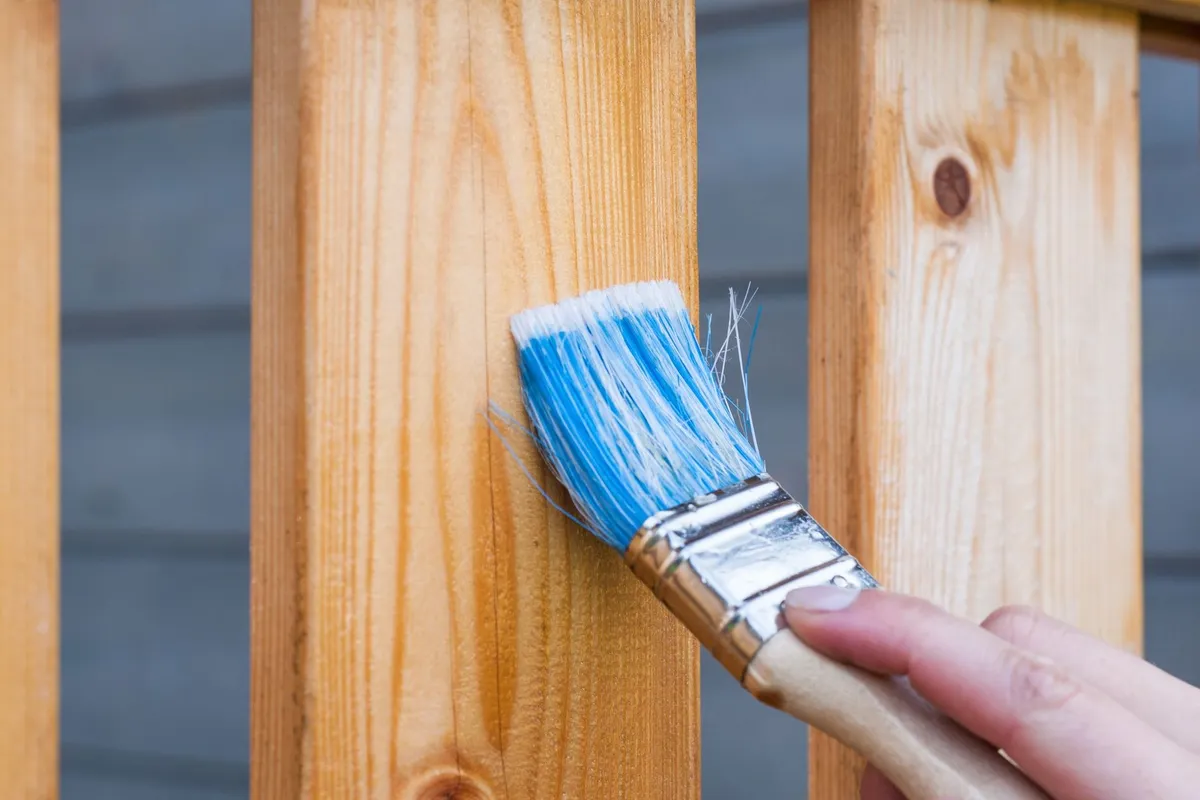
Why Austin’s Weather Makes This More Urgent Than You Think
Most homeowners assume wood staining is a cosmetic thing, a way to make the deck look pretty. It’s not. It’s protective armor. And in Central Texas, that armor gets put through serious stress every single year.
Austin sits in a climate zone that swings between extreme heat and unexpected cold snaps. Wood expands and contracts with those temperature changes. Add in the intense sun that beats down from April through October, and you’ve got UV rays that break down the lignin in wood fibers, that’s the structural glue that holds wood together. Without a protective coating, boards start to gray, crack, and splinter within a couple of seasons.
Then there’s the moisture side of things. Austin doesn’t get constant rain, but when it does rain, it pours. Water that sits in cracked or uncoated wood leads to rot, mold, and structural damage that no amount of staining can fix. At that point, you’re looking at deck repair or worse, a full replacement.
The bottom line: staining in a place like Austin isn’t optional maintenance. It’s the difference between a deck that lasts 15 years and one that needs replacing in 7.
Solid Stain, Semi-Transparent, or Clear Sealer, Picking the Right One
Walk into any home improvement store and you’ll find a wall of products that all claim to be the best. The truth is, the right choice depends on your deck’s age, the wood species, and how much of the natural grain you want to show.
Clear sealers are best for newer wood that’s in great shape. They repel water without adding color, which lets the natural beauty of the wood come through. The downside is they offer the least UV protection, so you’ll need to reapply more often, typically every one to two years in Austin’s sun.
Semi-transparent stains are the sweet spot for most decks. They add color while still letting the wood grain show through, and they offer better UV and moisture protection than clear sealers. If you’ve got a cedar decka semi-transparent stain is usually the best way to show off that natural warmth while keeping it protected.
Solid stains work like paint, they cover the grain completely. They’re ideal for older wood that has some weathering or surface damage, since they hide imperfections well. They also tend to last longer between applications. The trade-off is that once you go solid, it’s hard to go back to a natural look.
One thing that often gets overlooked: the prep work matters more than the product you choose. A deck that isn’t properly cleaned, sanded, and dried before staining will peel and fail regardless of how premium the stain is. Professionals know this. DIYers often learn it the hard way.
Timing Is Everything, And Most People Get It Wrong
There’s a reason experienced contractors pay close attention to the calendar before scheduling a staining job. Apply stain when it’s too hot and it dries too fast, leaving lap marks and uneven coverage. Apply it when rain is in the forecast and you’ve wasted your time and money.
In Austin, the ideal windows are typically spring, March through May, and fall, September through November. Temperatures are more moderate, humidity is manageable, and you’re less likely to get caught by an afternoon thunderstorm. Trying to stain a deck in July when it’s 104 degrees is a recipe for frustration.
New wood also needs time to dry out before it accepts stain properly. Freshly milled lumber can hold significant moisture, and staining too soon means the coating won’t penetrate the wood fibers the way it should. A general rule is to wait at least 30 days after installation before staining, though this varies by wood type and weather conditions.
Homeowners who’ve worked with the team at Deck Builder Austin TX often mention how much they appreciated the honest guidance on timing, not just getting the job done fast, but getting it done right so it actually holds up through the seasons.
How Often Should You Actually Restain?
There’s no universal answer, but there are reliable signals your deck will give you. The simplest test: pour a small amount of water on the surface. If it beads up, the protective coating is still working. If it soaks in immediately, it’s time to restain.
For most Austin decks, that translates to every two to three years for semi-transparent stains and every three to five years for solid stains. Clear sealers, as mentioned, need more frequent attention. Decks that get heavy sun exposure, south-facing or with no overhead shade, will need attention on the shorter end of those ranges.
Pairing regular staining with a solid deck maintenance routinecleaning off debris, checking for loose boards, inspecting for moisture damage, keeps small problems from turning into expensive ones. A well-maintained deck that gets stained on schedule can realistically last decades, even in Austin’s demanding climate.
If you’re not sure where your deck stands, a professional inspection can tell you whether you need a simple refresh or if there are underlying issues that need to be addressed first. Either way, knowing what you’re working with before you invest in a stain job is always the smarter move.
Frequently Asked Questions
How do I know if my deck actually needs to be restained or if it just looks a little worn?
Pour a small amount of water on the surface, if it beads up, the protective coating is still doing its job, but if it soaks straight in, it’s time to restain. Most Austin decks with semi-transparent stain hit that point every two to three years, while solid stains typically hold up three to five years before needing another coat. Decks that face south or sit in full sun all day will reach that threshold faster than shaded ones.
My deck was just built a few months ago, can I go ahead and stain it now?
Not quite yet. Freshly milled lumber holds a lot of moisture, and staining too soon means the coating won’t actually penetrate the wood fibers the way it needs to in order to protect them. The general rule is to wait at least 30 days after installation, though that can vary depending on the wood type and what the weather has been like since it was built.
Is July or August a reasonable time to get the deck stained while I have time off work?
It’s one of the worst times to do it, honestly. When temperatures hit 104 degrees, the stain dries too fast and you end up with lap marks and uneven coverage that won’t hold up. The better windows in Austin are March through May in the spring, or September through November in the fall, when the heat is more manageable and afternoon thunderstorms are less likely to ruin a fresh coat.
My deck boards are older and have some surface damage, does that mean I have to go with a solid stain?
Solid stain is usually the right call for older wood with visible weathering or surface imperfections, since it covers the grain completely and hides those issues well. It also tends to last longer between applications compared to semi-transparent options. The trade-off worth knowing upfront is that once you go solid, getting back to a natural wood look is very difficult.
Does it really matter if the deck isn’t perfectly cleaned before staining, as long as the stain itself is a quality product?
The prep work actually matters more than the product you choose, that’s not an exaggeration. A deck that isn’t properly cleaned, sanded, and fully dried before staining will peel and fail regardless of how much you spent on the stain. Skipping or rushing that step is one of the most common ways DIY staining jobs fall apart within the first season.
Get Directions to Majestic Deck Builders Austin
🎧 Listen to this as a podcast
Also on Apple Podcasts, Spotify, and Amazon Music.