
Deck Builders Austin: What Nobody Tells You About the Real Costs
When you start reaching out to deck builders in Austin, TXthe first number you hear is rarely the final one. That’s not necessarily a sign of dishonesty, it’s just the nature of a project that involves permits, soil conditions, material lead times, and a climate that puts outdoor structures through serious stress. But knowing what’s coming before you sign anything? That changes everything.
The Permit Process Costs More Than Just Money
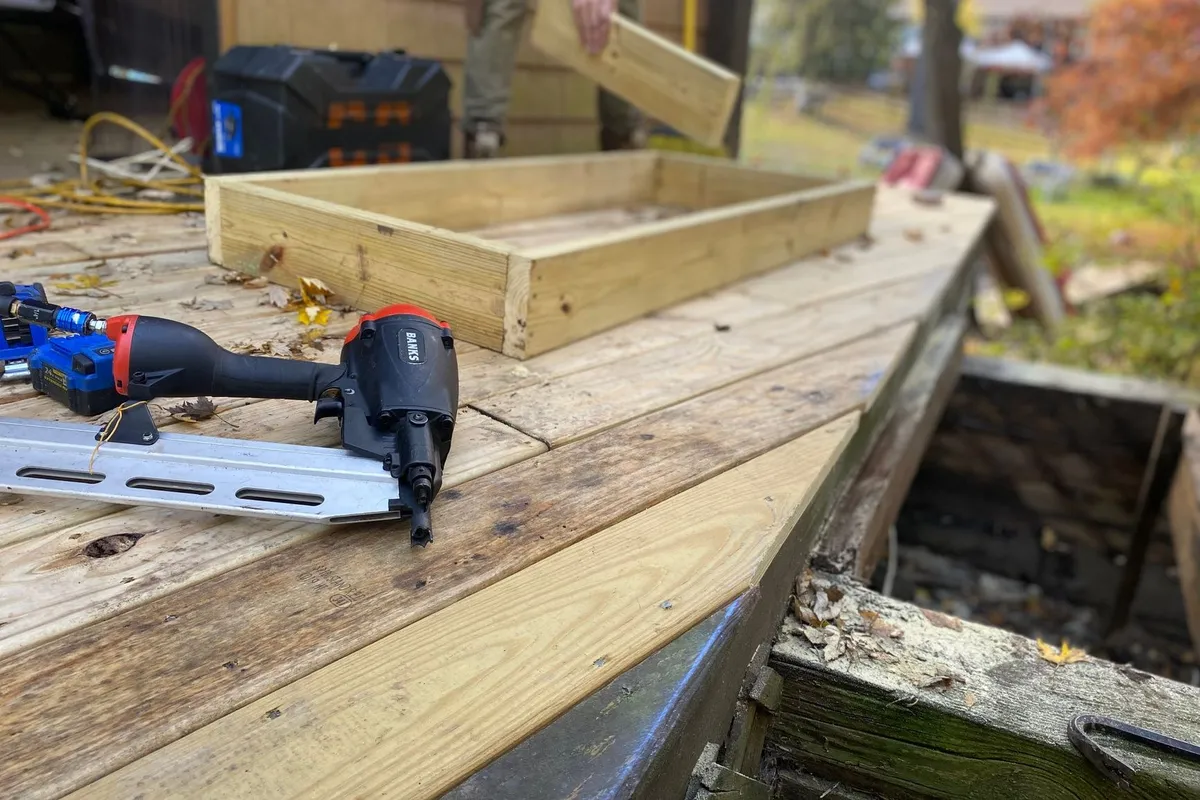
Most homeowners budget for lumber and labor. Far fewer budget for the permitting process, and in Austin, that oversight can sting. Depending on the size and complexity of your deck, permits can run anywhere from a few hundred dollars to well over a thousand. That’s before you factor in the time it takes to get approved.
The City of Austin requires permits for most attached decks and any structure above a certain height or square footage. If your contractor skips this step, you’re the one left holding the liability when it’s time to sell your home or file a homeowner’s insurance claim. Always confirm that whoever you hire pulls the proper permits, it’s not optional, it’s protection.
Beyond the fee itself, the permit timeline can delay your project by weeks. If you’re planning a summer build, get the process started in spring. Experienced local contractors know this and will factor it into your project timeline from day one. If someone promises a fast turnaround without mentioning permits, that’s worth a follow-up question.
What’s Underneath Your Yard Can Rewrite Your Budget
Austin’s terrain is notoriously unpredictable. The Hill Country limestone that makes this region beautiful also makes digging footings a genuine wildcard. Hit solid rock a foot down, and your crew needs different equipment and more time. Hit expansive clay soil, common in many Austin neighborhoods, and your contractor may recommend deeper or wider footings to prevent shifting over time.
This is one of the most common reasons a project comes in over the original estimate, and it’s not something any contractor can fully predict until the work begins. A reputable builder will walk you through what they found and explain why the adjustment is necessary. If you’re curious about what goes into structural decisions like this, the team at this guide on deck framing breaks down how professionals assess what’s worth keeping versus what needs to be rebuilt from the ground up.
The takeaway: get a contract that clearly outlines how unforeseen site conditions will be handled. A good contractor won’t leave you guessing, they’ll document the issue, explain the options, and give you a revised number before moving forward.
Material Choices Look Simple Until You Price Them Out
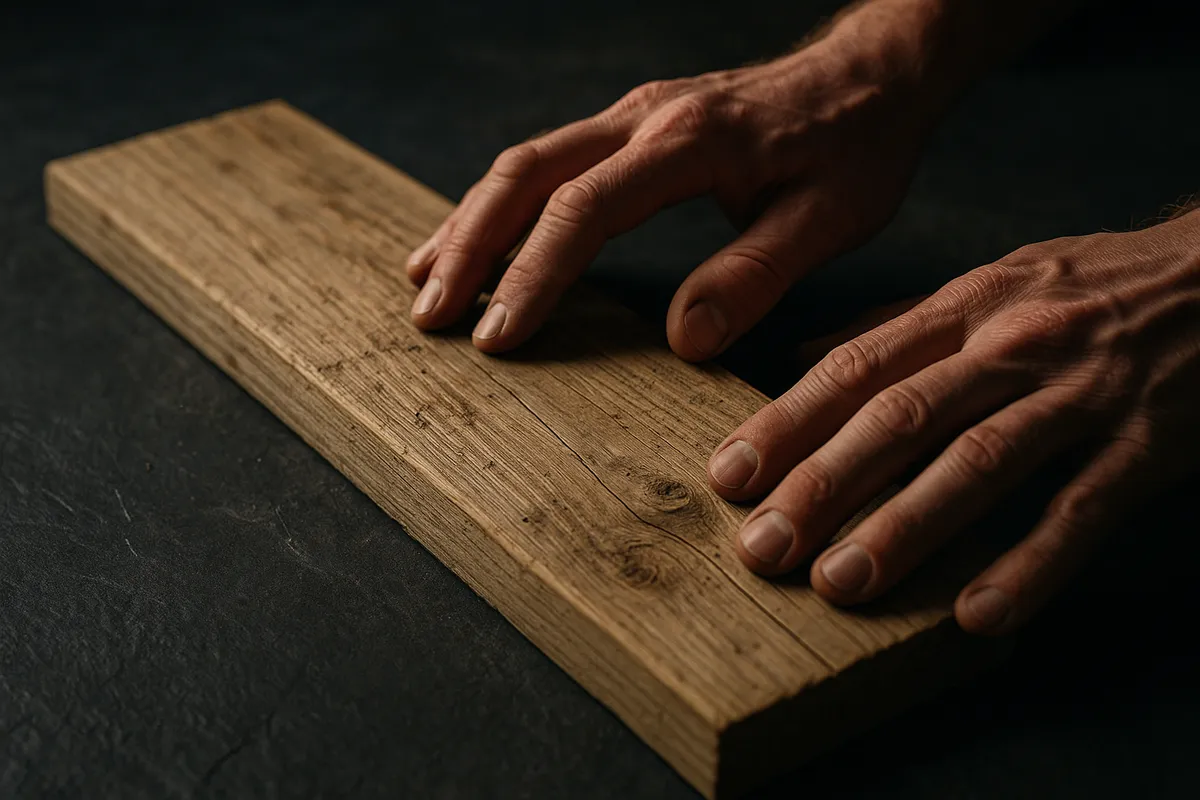
Cedar, composite, pressure-treated pine, the options aren’t complicated, but the price differences are significant. What surprises most people is how much the gap widens once you factor in long-term maintenance costs, not just the upfront material price.
Pressure-treated lumber is the most affordable option at purchase, but it requires consistent maintenance, staining, sealing, checking for splits, especially in Austin’s heat. Cedar holds up better naturally and looks beautiful, but it still needs attention. Composite decking costs more upfront and almost nothing to maintain over time. If you’re weighing those trade-offs, this comparison of composite vs. cedar for Austin homes is worth reading before you commit to anything.
Material lead times are another factor that catches people off guard. Supply chain issues haven’t fully resolved in the building industry, and certain composite brands or specialty wood grades may have a wait attached. A contractor who’s done this work locally for years will know which suppliers are reliable and which ones tend to run behind. That kind of knowledge saves real time on your project.
Ongoing Costs Are Part of the Total Picture
The build is just the beginning. A deck in Central Texas takes a beating, intense UV exposure, temperature swings, the occasional hailstorm, and humidity that rolls in from the Gulf. Ignoring maintenance doesn’t just affect how your deck looks; it affects how long it lasts and whether it stays structurally sound.
Homeowners who’ve worked with local contractors often say the same thing: they wish someone had walked them through a realistic maintenance schedule before the project wrapped up. Annual inspections, periodic staining, and checking fasteners for corrosion are all part of keeping a deck in good shape. The seasonal maintenance guide on this site is a solid resource for understanding what that looks like across the year.
If you’re building something new, ask your contractor for a written maintenance recommendation specific to the materials you’ve chosen. If you’re dealing with an older structure, a professional deck inspection can tell you exactly what you’re working with before you spend a dollar on repairs or upgrades.
The contractors at Deck Builder Austin TX work across the metro and surrounding areas, and they’re upfront about costs from the first conversation. If you want a realistic picture of what your project will actually cost, not just the optimistic version, getting a detailed estimate is the smartest first step you can take.
Frequently Asked Questions
How much should I budget for permits when building a deck in Austin?
Permit fees in Austin typically run anywhere from a few hundred dollars to well over a thousand, depending on the size and complexity of your deck. Beyond the fee itself, the approval timeline can push your project back by weeks, so if you’re planning a summer build, the article recommends starting the permit process in spring. Any contractor who quotes you a fast turnaround without mentioning permits is worth questioning directly.
What happens if the crew hits rock or clay soil when digging the footings?
Austin’s terrain is unpredictable, Hill Country limestone can show up a foot down, requiring different equipment and more time, while expansive clay soil common in many Austin neighborhoods may mean deeper or wider footings to prevent shifting. This is one of the most common reasons a project comes in over the original estimate, and no contractor can fully predict it before digging starts. The article says a good contract should spell out exactly how unforeseen site conditions are handled so you’re not caught off guard mid-project.
Is composite decking actually worth the higher upfront cost compared to pressure-treated lumber?
Pressure-treated lumber is the cheapest option at purchase but requires consistent upkeep, staining, sealing, and checking for splits, especially given Austin’s heat. Composite costs more to install but carries almost no ongoing maintenance costs, so the gap between the two narrows significantly over time when you factor in long-term expenses. The article suggests reading a comparison of composite versus cedar specific to Austin’s climate before committing to any material.
What are the real risks of hiring a contractor who skips the permit process?
If your contractor skips permits and you later try to sell your home or file a homeowner’s insurance claim, you’re the one left holding the liability, not the contractor. The article is direct about this: permits aren’t optional, they’re protection for you as the homeowner. Always confirm before signing anything that your contractor will be pulling the required permits for the project.
What kind of ongoing maintenance should I expect after the deck is built?
A deck in Central Texas deals with intense UV exposure, temperature swings, hailstorms, and Gulf humidity, all of which affect both appearance and structural integrity over time. Annual inspections, periodic staining, and checking fasteners for corrosion are all part of keeping it in good shape. The article recommends asking your contractor for a written maintenance schedule specific to the materials used before the project wraps up, rather than figuring it out after the fact.
Get Directions to Majestic Deck Builders Austin
🎧 Listen to this as a podcast
Also on Apple Podcasts, Spotify, and Amazon Music.